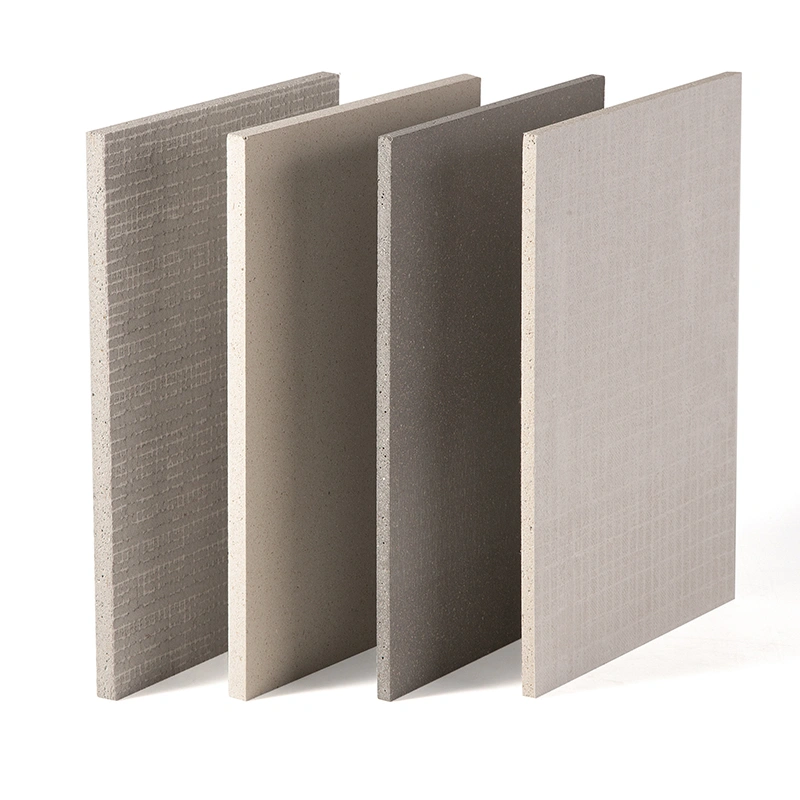
Product Description — Magnesium Oxide Board (MgO Board)
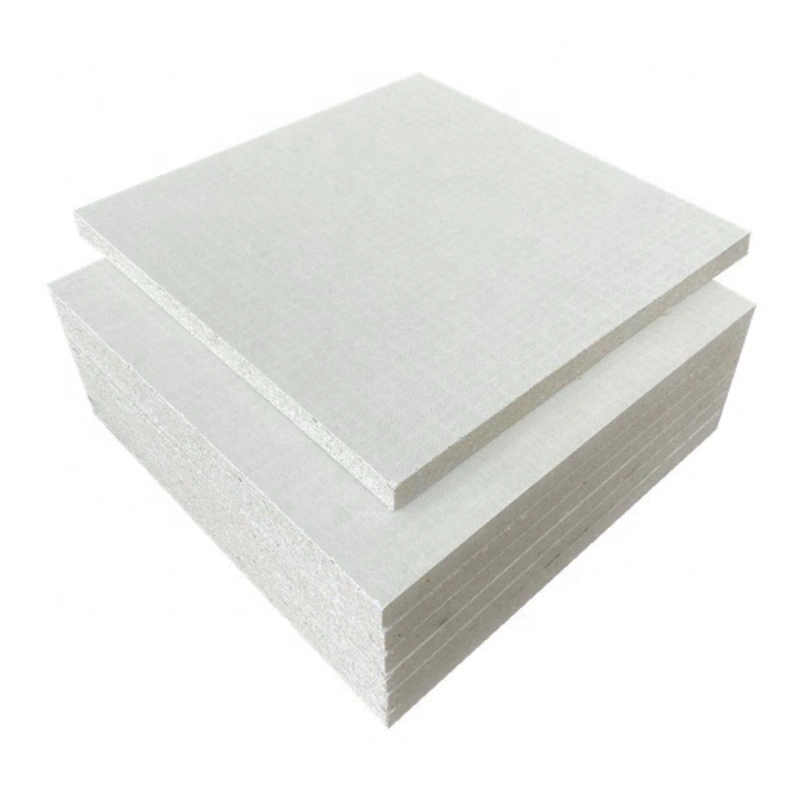
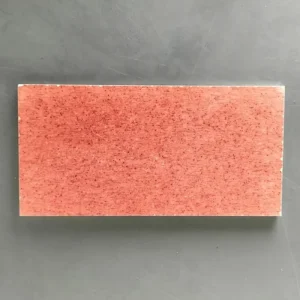
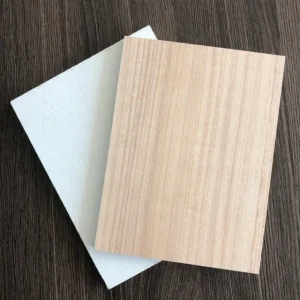
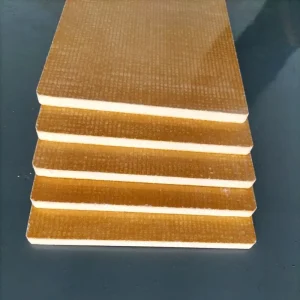
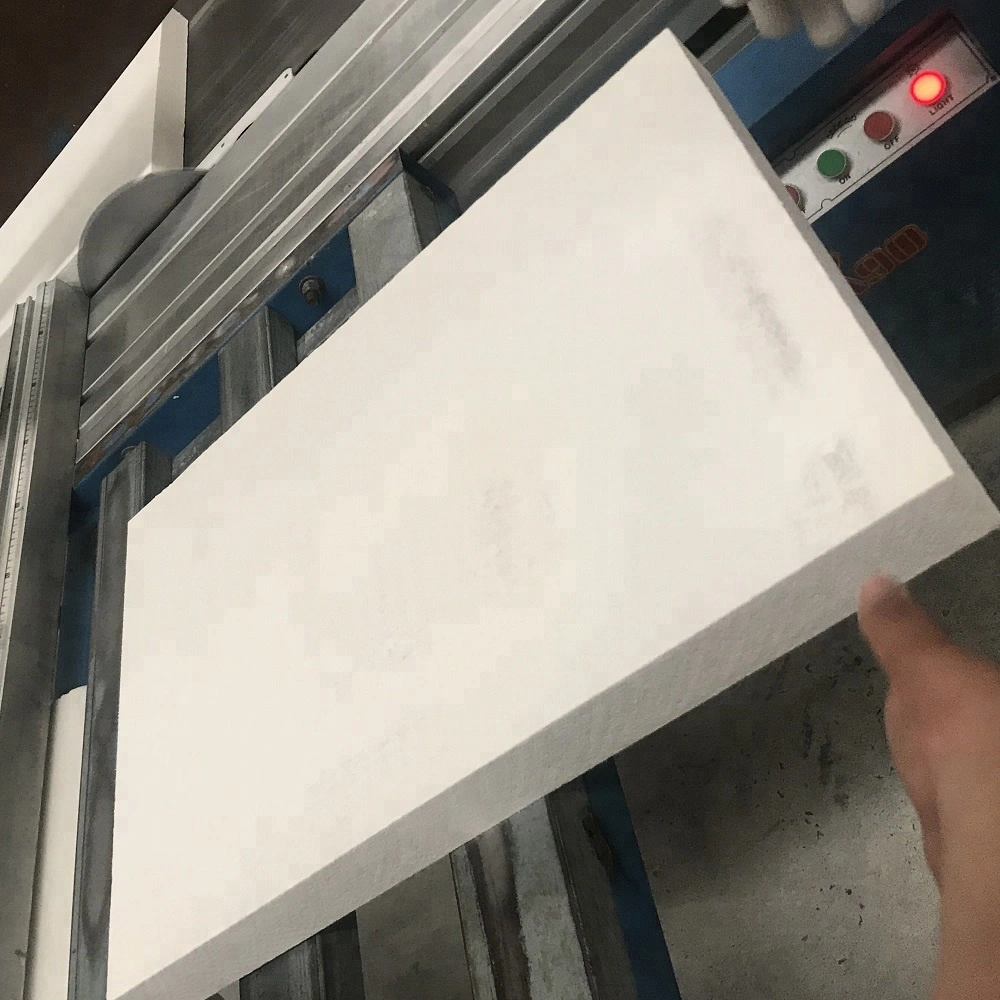
Magnesium Oxide Board (MgO Board) is a high-performance, fire-resistant building material made from inorganic compounds. It is manufactured using a proprietary formulation of magnesium oxide, magnesium chloride, perlite, fiberglass mesh, and other mineral additives. The result is a versatile, durable, and non-combustible board with exceptional performance and stability.
This integrated, rigid, and paper-free board offers superior strength compared to traditional materials such as gypsum, clay, wood, or paper-based panels. It allows for easier, faster, and higher-quality construction in a wide range of building applications.
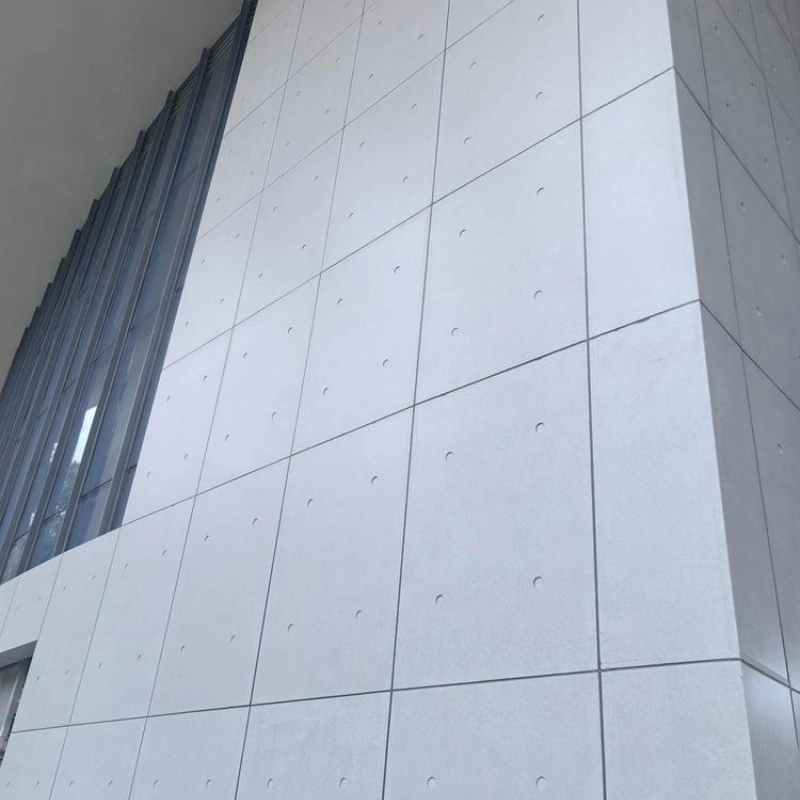
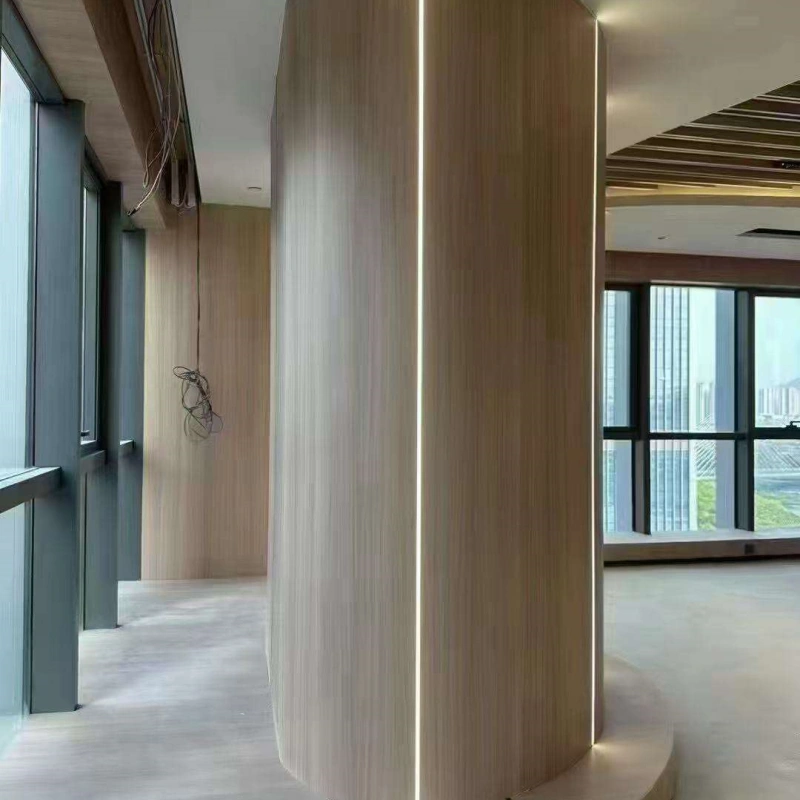
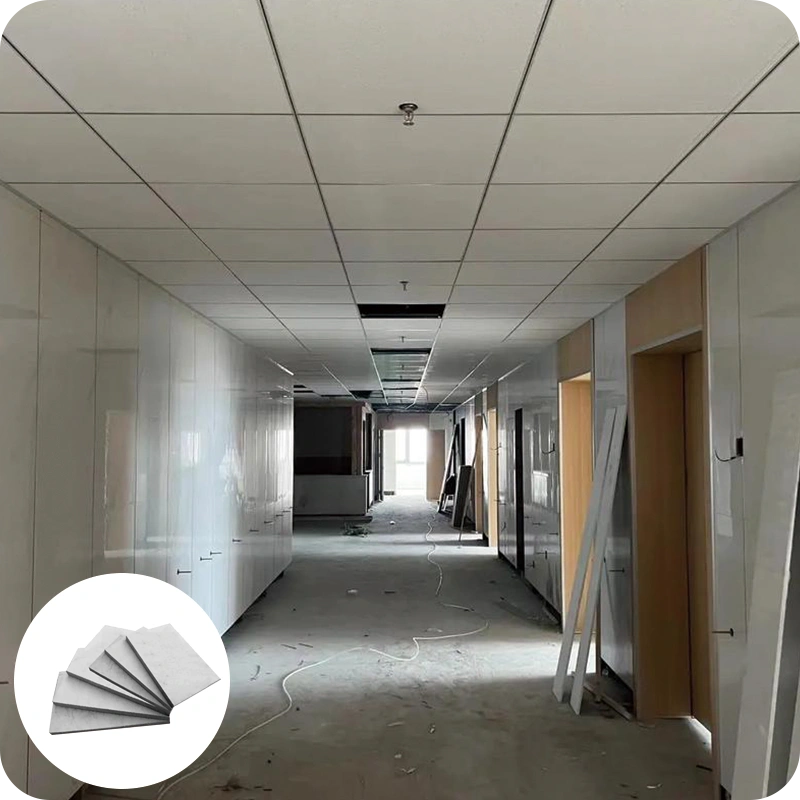
MgO boards are ideal for both interior and exterior structures. They provide over three hours of fire resistance, with no condensation or corrosion issues—making them particularly suitable for steel frame buildings. When used as wall or partition panels, they deliver outstanding waterproof and moisture-resistant performance, effectively protecting steel structures from oxidation.
Magnesium Oxide Boards are virtually impervious to fire, water, and insects. They do not support mold growth, are non-toxic, non-flammable, and highly durable. With excellent dimensional stability, MgO boards represent a sustainable and reliable choice for modern green building projects.
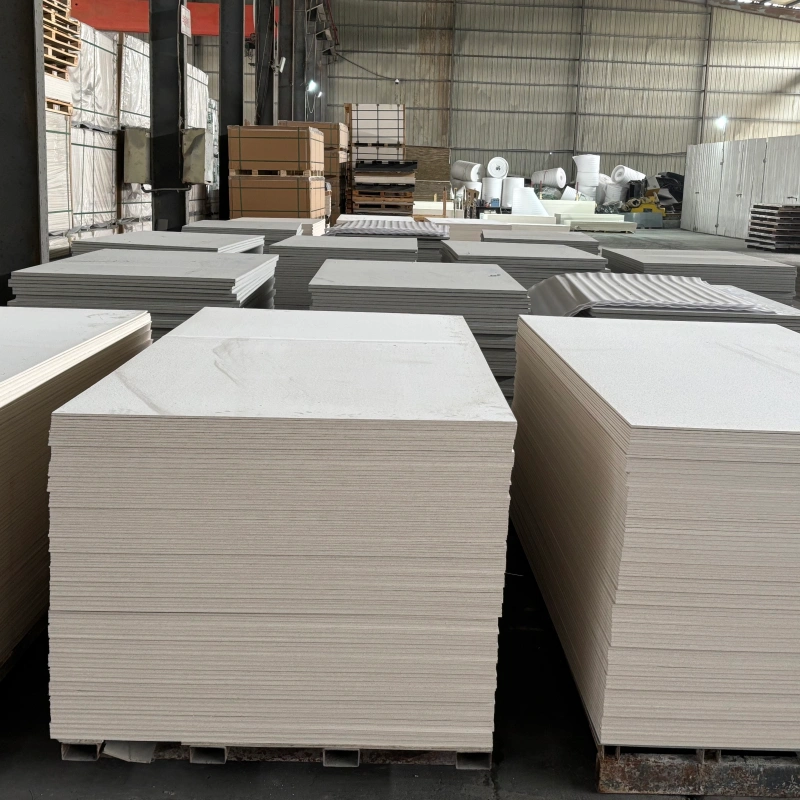
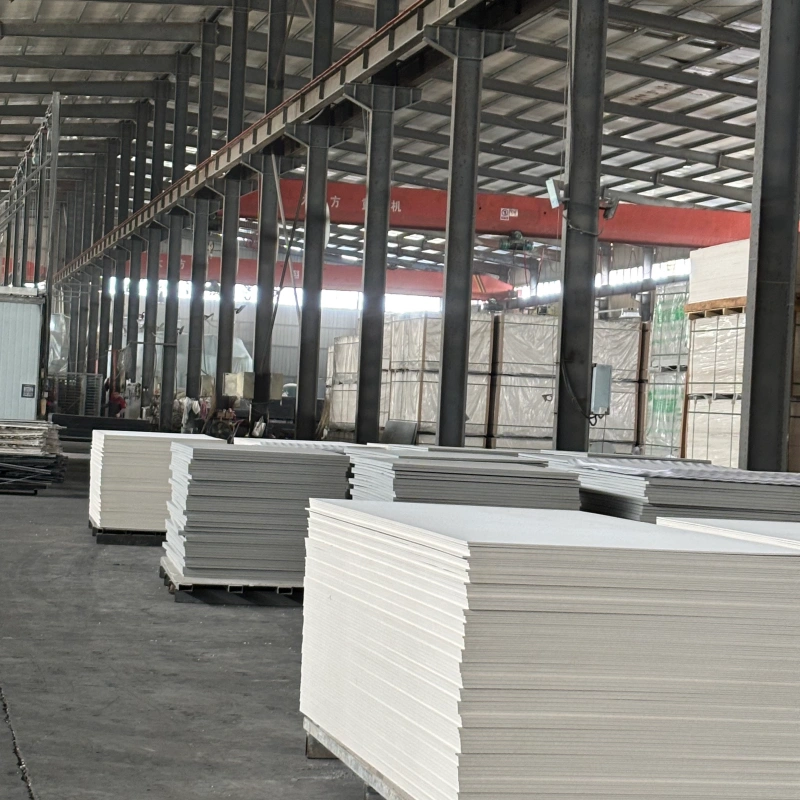
Factory On-Site Shooting
https://youtu.be/mf2JzZsrZ6E