Introduction
En los últimos años, a series of devastating building fires around the world have highlighted several alarming facts: fire spreads faster than ever, toxic smoke kills more people than flames, and structural failures occur unexpectedly. According to global fire safety reports, encima 80% of fire-related deaths are caused by smoke inhalation, not direct burns.
This raises an important question:
What material helps buildings buy those critical “golden minutes” needed for evacuation and rescue?
The answer lies deep within the building’s passive fire protection system—aluminum silicate, a high-performance, non-combustible material widely recognized for its exceptional fire resistance and thermal stability.
1. The Pain Points: Limitations of Traditional Fireproof Materials
1.1 Hidden Safety Risks That Cannot Be Ignored
Many commonly used materials perform poorly in fire conditions. They may:
- Fail to resist flame spread
- Produce toxic smoke at high temperatures
- Lose structural strength rapidly
When exposed to fire, these weaknesses greatly increase the risk of casualties and accelerate structural collapse.
As a result, traditional fireproof materials can no longer meet the safety requirements of modern, high-density, high-rise urban environments.
1.2 Stricter Fire Safety Standards Worldwide
With the continuous rise of large commercial complexes, high-rise buildings, and transportation hubs, passive fire protection has become a mandatory requirement—not an optional feature.
Además, green building certifications such as LEED y BREEAM are placing higher demands on materials in terms of durability, environmental safety, and high-temperature performance.
As traditional materials expose more limitations, a safer and more stable solution is needed—this is where aluminum silicate comes in.
2. Why Aluminum Silicate Has “Built-In Fireproof DNA”
2.1 Naturally Non-Combustible with A1-Level Fire Resistance
Aluminum silicate is a fully inorganic material. It does not burn or contribute to combustion and is classified as an A1 non-combustible material—the highest fire safety rating.
Its melting point exceeds 1500°C, far beyond temperatures in typical building fires.
This allows aluminum silicate to maintain its physical integrity and mechanical performance even in extreme high-temperature environments.
2.2 Outstanding Stability in Extreme Heat
Many organic or composite materials begin to soften, deformar, or fail at just a few hundred degrees Celsius.
In contrast, aluminum silicate maintains:
- No melting
- No dripping
- No severe deformation
This ensures that the protective layer continues to function throughout the fire, providing essential insulation and structural stability.
2.3 Microstructure That Delivers Superior Thermal Insulation
Aluminum silicate fibers and porous structures create millions of micro air pockets that form a natural thermal barrier.
Benefits include:
- Much slower heat transfer
- Lower temperature rise on the protected side
- Longer fire resistance duration for walls, techos, and steel structures
This unique microstructure makes aluminum silicate one of the most reliable insulation materials in passive fire protection systems.
3. How Aluminum Silicate Builds an Invisible Safety Shield for Buildings
3.1 Steel Structure Protection: A Critical Application
Steel begins to lose its load-bearing capacity at around 550°C, drastically increasing the risk of collapse.
Fireproof coatings and protective systems containing aluminum silicate significantly slow down the heating of steel members, giving the structure more time to remain stable during a fire.
3.2 Fire-Resistant Partitions and Ceiling Systems
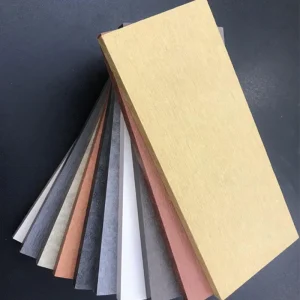
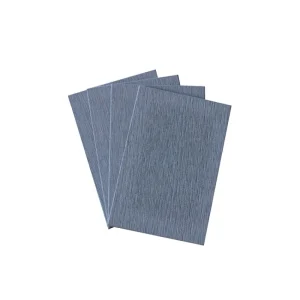
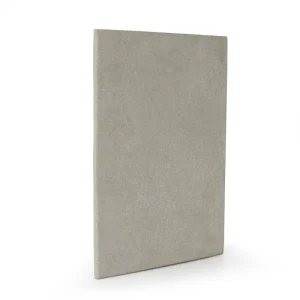
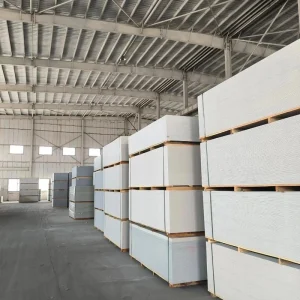
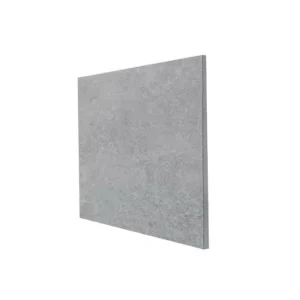
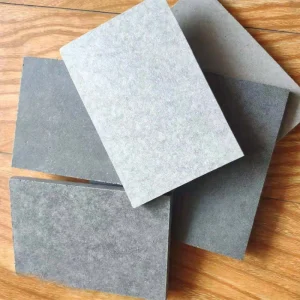
Aluminum silicate-based boards are widely used in:
- Fire partitions
- Fire-rated ceiling systems
- Elevator shafts
- Equipment rooms and pipeline shafts
- Fire compartment barriers
By blocking the spread of fire and smoke, these systems create safer escape routes and improve rescue efficiency.
3.3 Firestop and Sealing Systems: Protecting Hidden Pathways
During a fire, small gaps, pipe openings, and cable penetrations become dangerous channels that allow smoke and flames to spread rapidly.
Firestop materials containing aluminum silicate expand or solidify under high heat, forming a solid protective layer that seals openings and prevents fire penetration.
4. Why Aluminum Silicate Is Trusted in Advanced Fire Protection Systems
Aluminum silicate offers more than just non-combustibility. Its combined advantages make it one of the most reliable high-performance fireproof materials:
- Exceptional high-temperature stability
- Extremely low smoke toxicity
- Superior thermal insulation
- Long service life with minimal aging
- Environmentally friendly and safe
These features make aluminum silicate a critical component in modern passive fire protection designs.
5. Conclusion: Safety Is the Foundation of Every Building
In today’s construction environment, no material can rely solely on surface-level fire resistance. True safety comes from inherent material stability, reliability, and predictable performance.
With its non-combustibility, excellent high-temperature stability, superior insulation, y durabilidad a largo plazo, aluminum silicate has become a cornerstone of modern fireproof material systems.
Choosing fireproof materials based on aluminum silicate is not just a technical upgrade—it is a long-term investment in building safety and human life.